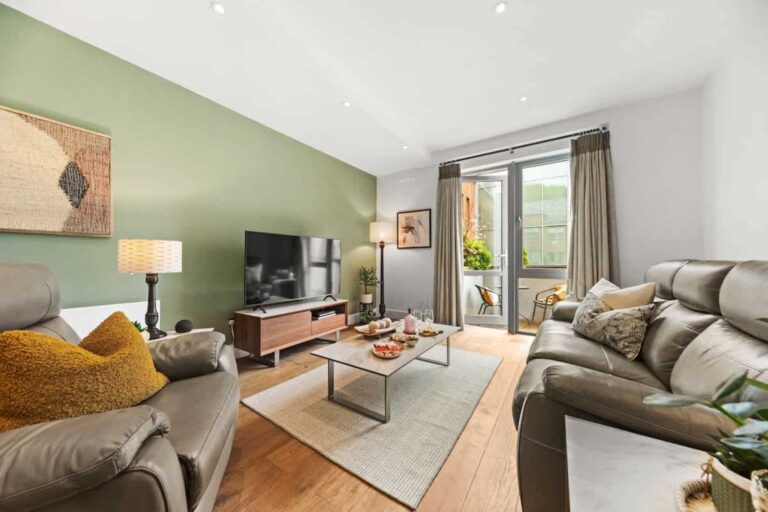
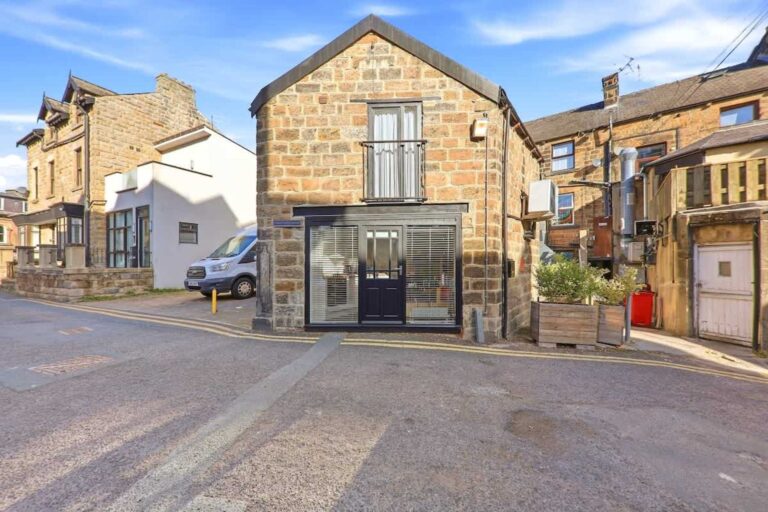
Most of the properties we take on in Harrogate are not ready for guests on the day the owner first calls us. Some are a family home that has just been emptied, some are a buy-to-let between tenants, and some have been let for years but are furnished for a tenant rather than a guest who has paid for a weekend and expects it to feel like one. The gap between “a nice flat” and “a holiday let that earns 9.7 on Booking.com” is wider than most people think, but it is also very predictable. This guide walks through what getting a property guest-ready actually involves, in the order we do it, so you know what to expect before you ask us for an estimate.
Start with the legal checks, not the cushions
It is tempting to begin with paint colours. We begin with the paperwork, because nothing can go live until it is done and some of it takes weeks to book. Any property let to paying guests in England needs a gas safety certificate renewed every year if it has gas, an electrical installation condition report (EICR), portable appliance testing on the things guests plug in, and a written fire risk assessment with working smoke and heat alarms, a carbon monoxide alarm where there is a fuel-burning appliance, and a fire blanket or extinguisher in the kitchen. Your mortgage lender and insurer both need to know the property is being let short term, and standard home insurance does not cover guests. If the property is leasehold, the lease may restrict short lets, so check it before you spend a penny on furniture.
We book and track these checks for every home we manage, and we fit them around changeovers once the property is live so nothing lapses. One more thing to plan for: a mandatory registration scheme for short-term lets in England is expected to begin in March 2027, though the detail and any fee have not yet been published. We will register every home we manage as soon as the scheme opens.
What a guest actually notices
After six years and 17 homes we have a fairly clear picture of what earns a five-star review and what quietly costs you one. Guests notice the bed first. A proper mattress, a mattress protector, hotel-weight pillows and crisp white linen do more for your reviews than any piece of artwork, which is why we specify king-size beds wherever a room will take one, as at 14 York Place. They notice the shower pressure, whether the Wi-Fi reaches the bedroom, and whether the kitchen has a sharp knife, a decent pan and enough glasses for everyone in the booking.
What they rarely notice, and rarely pay more for, is a replacement kitchen or an expensive sofa. The money is best spent on comfort, on light, and on the handful of details that photograph well: a statement headboard, a well-dressed window, a lamp beside the bed. One of our smallest homes, The Coach House, is a one-bedroom property for two, and it works because the bold, colourful interiors give guests a reason to choose it over a hotel room of the same size.
The inventory, room by room
Every home we set up gets the same core inventory, scaled to the number of guests it sleeps. In the bedrooms that means the bed and bedding above, blackout blinds or lined curtains, bedside tables and lamps on both sides, hangers, a full-length mirror and a hairdryer. In the bathroom it means thick towels in at least two sets per guest so one can be in the laundry, a bath mat, a bin with a lid, and hooks rather than a single rail. In the living room it means a sofa that seats the full booking, a smart TV with the streaming apps guests expect to sign into, fast Wi-Fi with the password on display, and a table where people can eat together. In the kitchen it means crockery, cutlery and glassware for the maximum occupancy plus two, pans, an oven tray, a kettle, a toaster, a coffee maker, a corkscrew, tea towels and a starter supply of the consumables guests expect to find: tea, coffee, milk, dishwasher tablets, washing-up liquid, bin liners and toilet roll.
Then there is the layer that makes a place feel cared for rather than kitted out: a welcome guide with the house instructions and our favourite local places, a few good books, a board game, a spare phone charger, an iron and board, and a hallway where coats and muddy boots can live after a walk on The Stray.
Linen, laundry and the things that wear out
Linen is the item most new owners under-buy. A two-bedroom home turning over twice a week needs several complete sets so that a stained sheet or a late laundry return never delays a changeover. We arrange and manage cleaning and laundry at every changeover for the homes we look after, with fresh linen and towels before every stay, and we pass the cost on to you at cost rather than adding a margin. Budget for replacements too: towels grey, kettles fail, and a small annual allowance for wear and tear keeps the property looking as good in year three as it did in the listing photos.
Photography, listing and the first booking
Once the property is dressed, we photograph it properly. Good photographs are the single biggest influence on your nightly rate, and they only need taking once if the set-up is right. We then write the listing, build it on Airbnb, Booking.com, Google and our own direct-booking site with calendars kept in sync, and set an opening price that is deliberately competitive for the first few weeks so that reviews arrive quickly. Dynamic pricing takes over from there, moving your rate with demand, from a sold-out week at the Convention Centre to a quiet midweek in January.
Self check-in needs setting up before the first guest arrives, with a key safe or smart lock and clear arrival instructions, and we set up your owner portal at the same time so you can see bookings and block out your own dates from day one.
How long it takes and what it costs
From an empty property with the safety checks already booked, a straightforward one or two-bedroom set-up can be live within a few weeks; a property that needs decorating, new flooring or a bathroom refresh takes longer, and we would rather tell you that at the start than rush a launch and collect three-star reviews.
If your property is not yet guest-ready, we offer a turnkey furnishing and interiors service, quoted separately from our management fee. Once the property is live, our management fee is 15% of booking income with no VAT added on top, with flexible terms and no lengthy contract commitments, and that covers the listings, pricing, guest messaging around the clock, cleaning and laundry management, our in-house maintenance team and a clear monthly statement. Across the 17 homes we manage, average occupancy over the last 12 months is 82.75%.
A checklist to take to your first conversation
Before you talk to us or to any other manager, it helps to know a few things. Is the property freehold or leasehold, and does the lease allow short lets? Have your lender and insurer been told? When were the gas, electrical and fire checks last done? How many guests should it sleep? Is there parking? What stays in the property and what goes into storage? And how often would you like to use it yourself, because unlimited owner stays are part of how we work and it changes how we plan the calendar.
The next step
If you own a property in Harrogate and want to know what it could earn and what it would take to get it guest-ready, our holiday let management page explains the full service and includes a free, no-obligation income estimate form. If you already host on Airbnb and the property is live but tired, our Airbnb management page covers how a handover works without losing your listing or reviews. You can see the standard we set up to on our homes page, which is the shop window your property would sit in. Either way you will be talking to Shane, Louise or Joe, and we will set out every cost before you commit to anything.